

What to Look for in a Telecom Construction Partner
Choosing the Right Partner Can Make or Break Your Project
Telecommunications infrastructure projects are complex, time-sensitive, and capital-intensive. Whether you’re deploying fiber optic networks, upgrading wireless infrastructure, constructing new telecom sites, or expanding broadband coverage, selecting the right telecom construction partner is one of the most critical decisions you’ll make.
The right partner helps keep projects on schedule, within budget, and compliant with industry standards. The wrong one can lead to delays, cost overruns, safety issues, and dissatisfied customers.
Here are the key factors every organization should consider when evaluating a telecom construction contractor.

1. Proven Industry Experience
Telecommunications construction requires specialized expertise that goes beyond general construction capabilities. A qualified partner should have experience in:
- Fiber optic network deployment
- Underground and aerial construction
- Wireless infrastructure installation
- Site acquisition and development
- Network upgrades and maintenance
- Structured cabling systems
Ask potential partners about previous projects, client references, and the types of networks they have successfully deployed.
Companies with extensive telecom experience understand the unique challenges of permitting, utility coordination, network design requirements, and regulatory compliance.
2. Strong Safety Record
Safety should never be an afterthought.
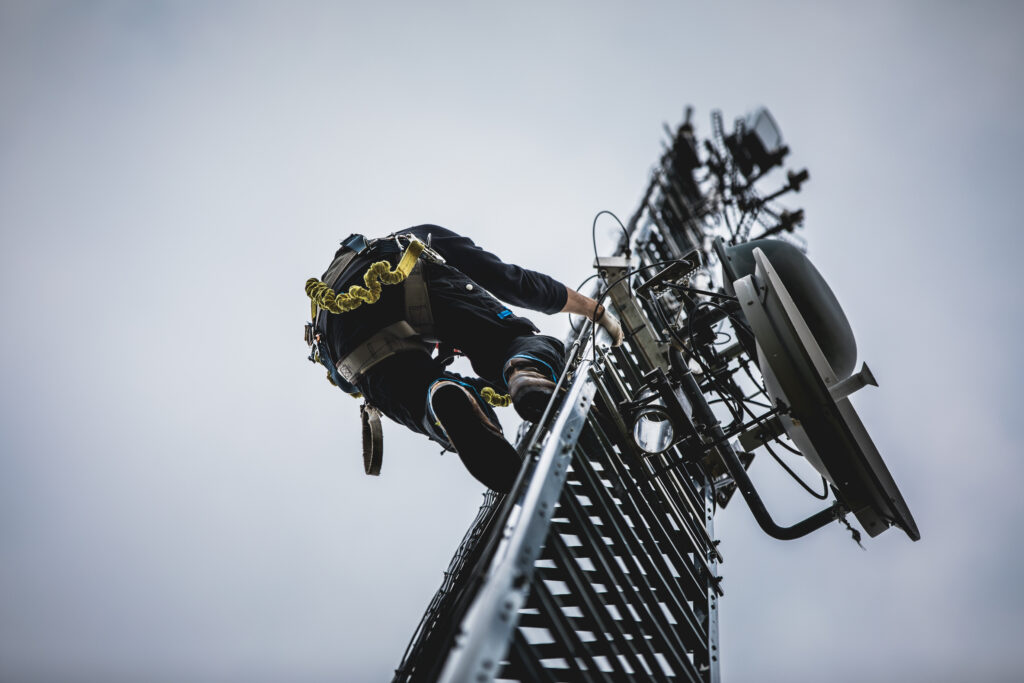
Telecom construction often involves working at heights, operating heavy equipment, excavating near existing utilities, and managing active network environments.
Before selecting a contractor, evaluate:
- OSHA compliance history
- Safety certifications
- Employee training programs
- Incident rates
- Documented safety procedures
A strong safety culture protects workers, minimizes project disruptions, and reduces liability for all stakeholders.
3. Skilled Workforce and Technical Expertise
The quality of a telecom network depends heavily on the people building it.
Look for a construction partner that employs:
- Certified fiber technicians
- Experienced project managers
- Qualified splicing specialists
- Network infrastructure experts
- Skilled construction crews
Well-trained personnel help ensure installations meet performance standards and reduce the likelihood of costly rework.
4. Project Management Capabilities
Successful telecom deployments require effective coordination among multiple stakeholders, including network operators, municipalities, utility companies, engineering teams, and property owners.
An experienced telecom construction partner should provide:
- Detailed project planning
- Schedule management
- Budget tracking
- Risk mitigation strategies
- Transparent communication
- Regular progress reporting
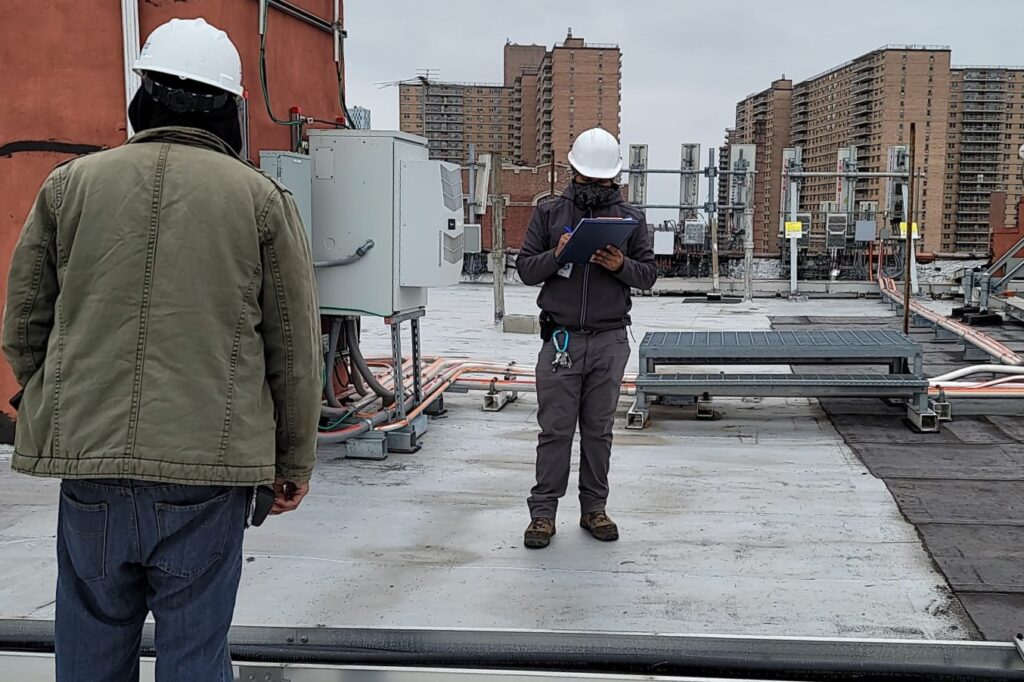
Strong project management keeps projects moving efficiently and helps identify potential challenges before they become costly problems.

5. Ability to Scale
As network demands grow, your construction partner should be able to scale alongside your business.
Consider whether the contractor has the resources to support:
- Multi-site deployments
- Regional expansion projects
- Large-scale fiber rollouts
- Emergency restoration services
- Ongoing maintenance requirements
A scalable partner provides flexibility as your infrastructure needs evolve.
6. Commitment to Quality
Network reliability starts with construction quality.
A reputable telecom construction company should have strict quality control processes that cover:
- Installation standards
- Testing procedures
- Documentation requirements
- Equipment verification
- Final inspections
Quality workmanship reduces network failures, service interruptions, and long-term maintenance costs.

7. Technology and Reporting Tools
Modern telecom construction projects generate significant amounts of data.
Leading contractors use technology solutions that improve visibility and accountability, including:
- Digital project tracking
- GIS mapping systems
- Real-time reporting
- Asset management tools
- Electronic documentation
These technologies help clients monitor progress and maintain accurate project records.
8. Regulatory and Permitting Expertise
ermitting delays can significantly impact project timelines.
An experienced telecom construction partner understands local, state, and federal requirements and can assist with:
- Permitting processes
- Utility coordination
- Environmental compliance
- Right-of-way management
- Regulatory documentation
This expertise helps avoid costly delays and compliance issues.


9. Transparent Communication
One of the most common reasons telecom projects fail is poor communication.
Look for a contractor that prioritizes:
- Regular project updates
- Clear escalation procedures
- Accurate reporting
- Responsive support
- Proactive problem-solving
A reliable partner keeps all stakeholders informed throughout the project lifecycle.
10. Long-Term Partnership Mindset
Telecommunications infrastructure is not a one-time investment.
The best construction partners focus on building long-term relationships by providing:
- Ongoing maintenance support
- Network upgrade services
- Emergency response capabilities
- Future expansion planning
- Continuous improvement recommendations
A long-term partner becomes an extension of your team and contributes to the success of your network for years to come.
Final Thoughts
Selecting a telecom construction partner involves much more than comparing prices. Experience, safety, technical expertise, project management capabilities, and a commitment to quality all play a critical role in project success.
Organizations that invest time in choosing the right partner are better positioned to achieve reliable network performance, faster deployment timelines, and stronger returns on infrastructure investments.
At LKR Technical, we understand the challenges of modern telecommunications construction and deliver the expertise, reliability, and professionalism required to support successful network deployments across every phase of the project lifecycle.